
Discover the Vibrant Lifestyle, Culture & Modern Charm of Yerevan
Experience the dynamic energy of Yerevan, Armenia’s capital city, known for its modern architecture, lively cafés, shopping streets, museums, nightlife, and cultural hotspots. This tour is perfect for travelers who love city life, modern vibes, culture, and leisure.
Yerevan – The Modern Capital of Armenia
Explore Yerevan, one of the oldest yet most modern cities in the world. Enjoy a blend of contemporary lifestyle, historic landmarks, trendy cafés, and artistic streets.
Republic Square – The Heart of City Life
Visit the iconic Republic Square, famous for its grand architecture, musical fountains, museums, and vibrant evening atmosphere.
Cascade Complex – Art, Views & City Skyline
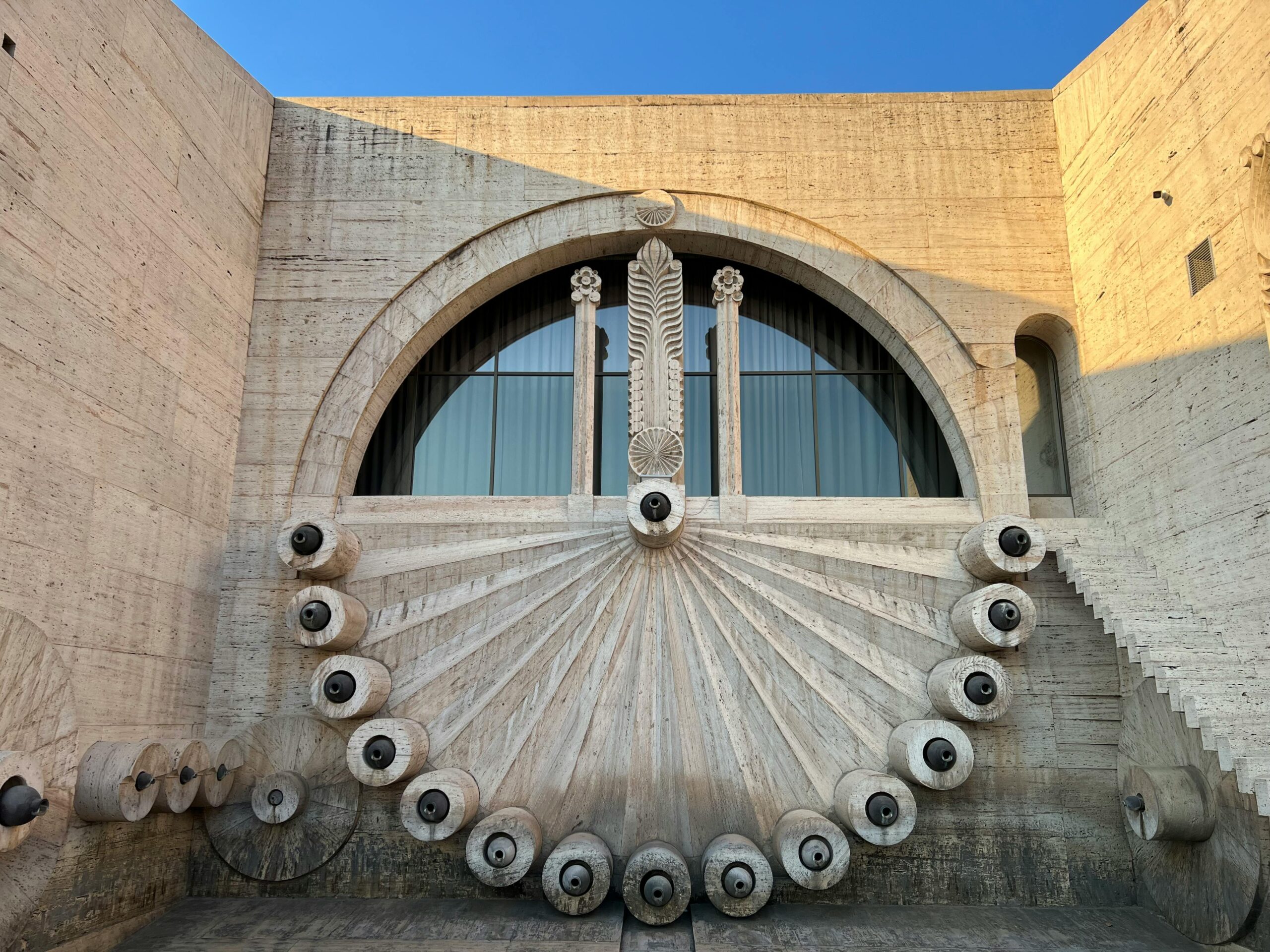
Walk through the stunning Cascade Complex, a massive staircase featuring modern art installations, gardens, sculptures, and panoramic city views.
Northern Avenue – Shopping & Modern Lifestyle
Stroll along Northern Avenue, a lively boulevard filled with luxury stores, fashion outlets, cafés, street performances, and modern city vibes.
Opera House & Freedom Square
Explore the Yerevan Opera House, a cultural landmark surrounded by parks, restaurants, nightlife spots, and social hangout areas.
Modern Cafés, Restaurants & Nightlife
Enjoy Armenia’s modern lifestyle through stylish cafés, rooftop restaurants, wine bars, local breweries, and vibrant nightlife experiences.
Museums, Art Galleries & Creative Spaces
Visit modern museums, contemporary art galleries, cultural centers, and creative hubs, showcasing Armenia’s evolving artistic scene.
A Perfect Urban & Modern Getaway
This tour is ideal for travelers who want to experience modern city culture, shopping, food, nightlife, art, and relaxed urban exploration in Armenia.
Why Choose the “Yerevan City & Modern Armenia Tour”?
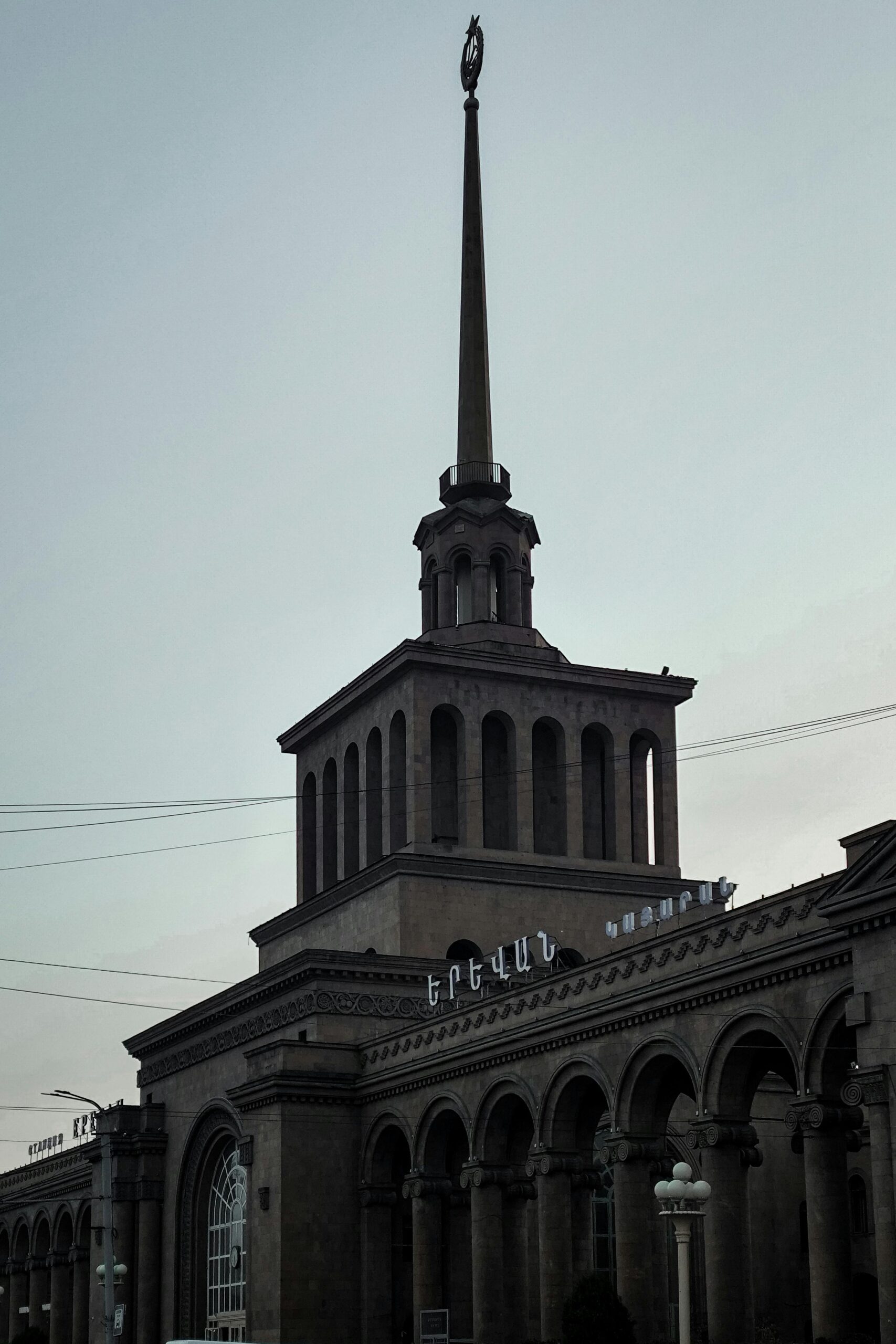
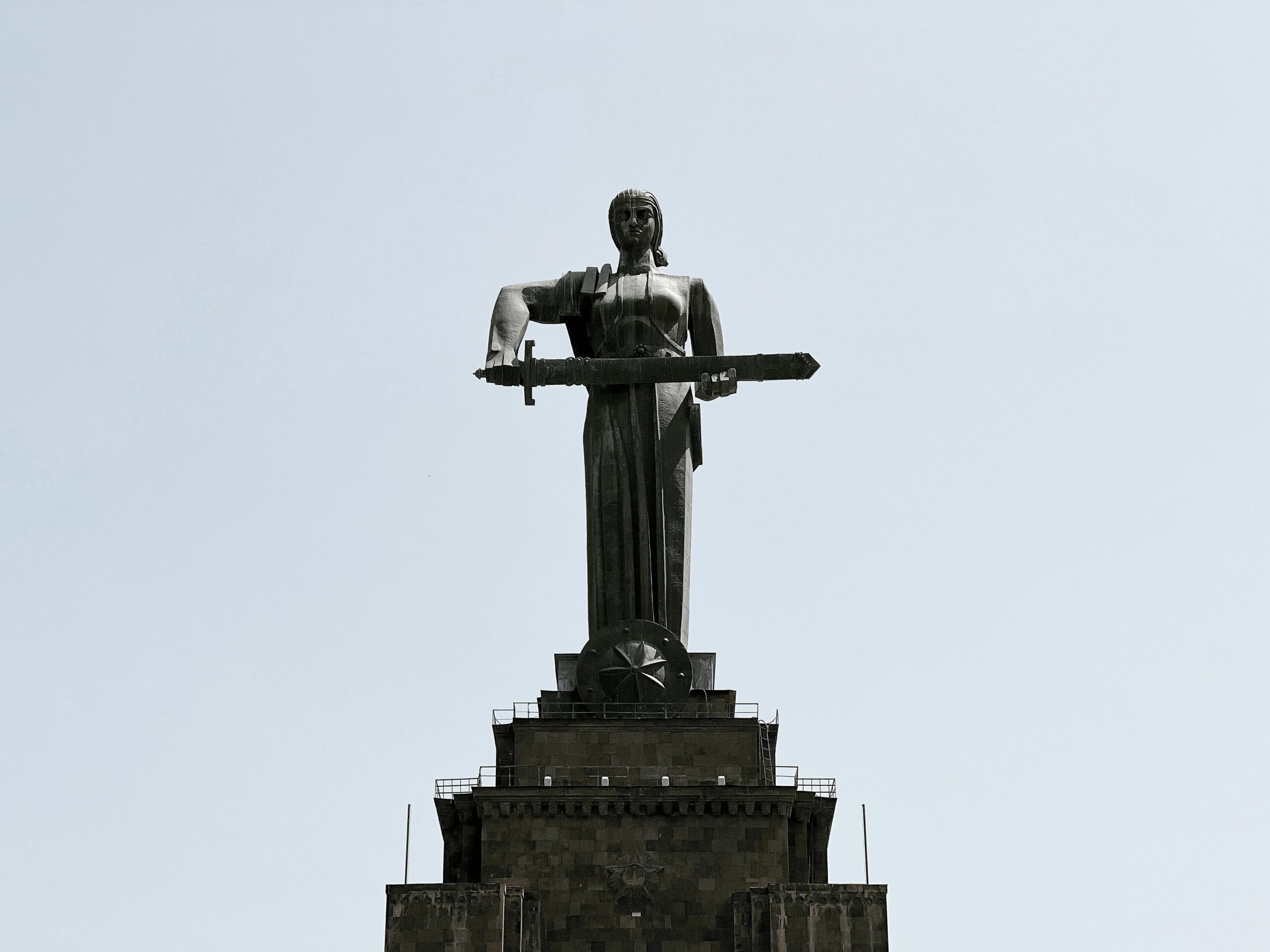
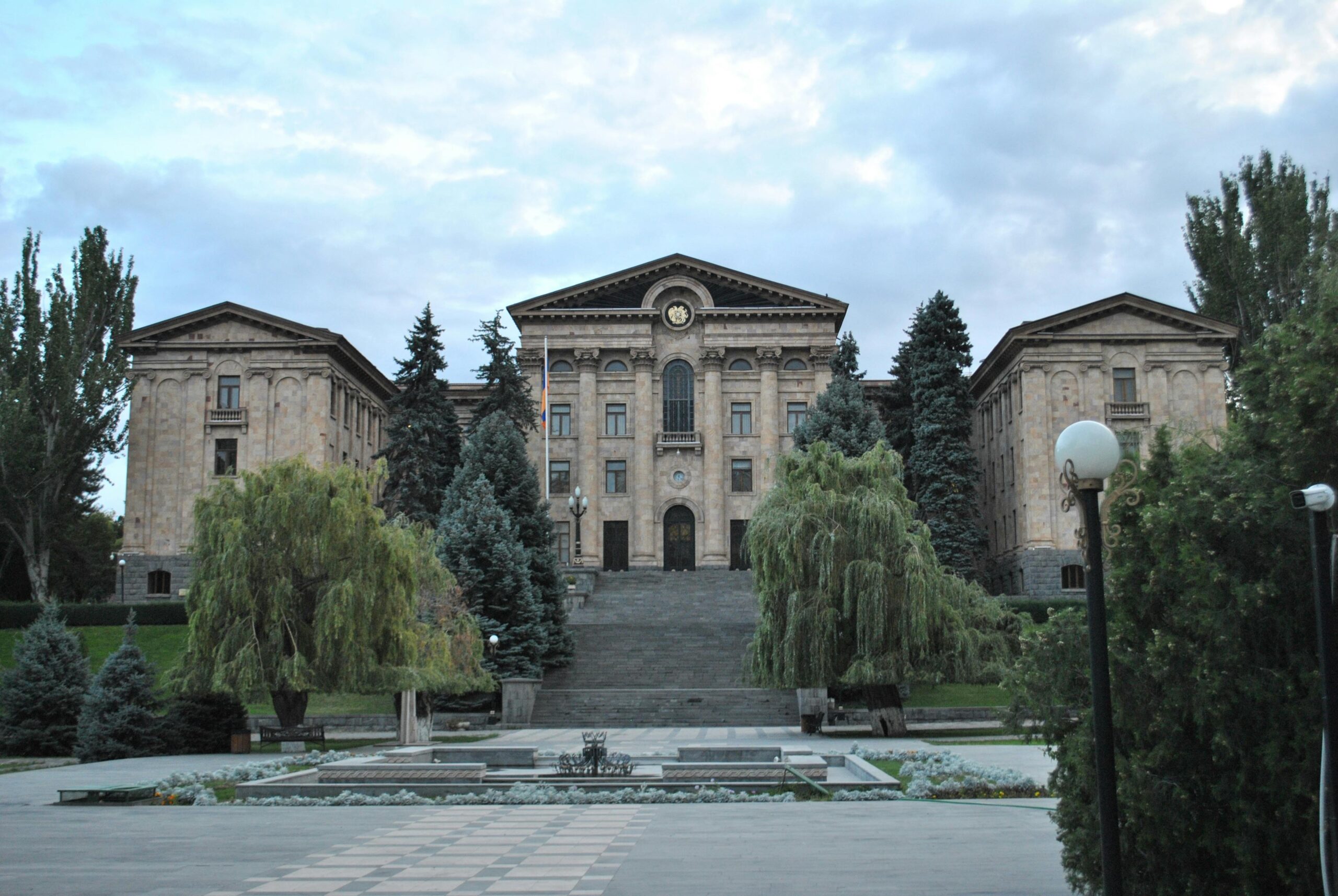
Yerevan sometimes spelled Erevan) is the capital and largest city of Armenia, as well as one of the world’s oldest continuously inhabited cities.Situated along the Hrazdan River, Yerevan is the administrative, cultural, and industrial centre of the country, as its primate city. It has been the capital since 1918, the fourteenth in the history of Armenia and the seventh located in or around the Ararat Plain. The city also serves as the seat of the Araratian Pontifical Diocese, which is the largest diocese of the Armenian Apostolic Church and one of the oldest dioceses in the world.
The history of Yerevan dates back to the 8th century BC, with the founding of the fortress of Erebuni in 782 BC by King Argishti I of Urartu at the western extreme of the Ararat Plain. Erebuni was “designed as a great administrative and religious centre, a fully royal capital. By the late ancient Armenian Kingdom, new capital cities were established and Yerevan declined in importance. The city was mostly depopulated by the Great Surgun of 1603–05, when the Safavid Empire forcibly deported hundreds of thousands of Armenians to Iran. In 1679, the city was mostly destroyed by an earthquake, and then rebuilt on a smaller scale. In 1828, Yerevan became part of the Russian Empire, which led to the repatriation of Armenians whose ancestors had been forcibly relocated in the 17th century. After World War I, Yerevan became the capital of the First Republic of Armenia as thousands of survivors of the Armenian genocide in the Ottoman Empire arrived in the area.The city expanded rapidly during the 20th century while Armenia was a part of the Soviet Union. In a few decades, Yerevan was transformed from a provincial town within the Russian Empire to Armenia’s principal cultural, artistic, and industrial centre, as well as becoming the seat of national government.